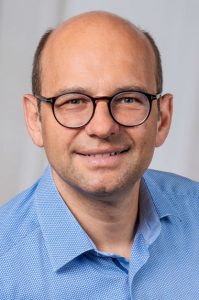
Prof. Dr. Marc Freichel
Group lead | Freichel Lab
Marc.freichel@pharma.uni-heidelberg.de
Research interests
Publications (in the Freichel lab):
Hobbies:
Other activities:
Follow on LinkedIn:
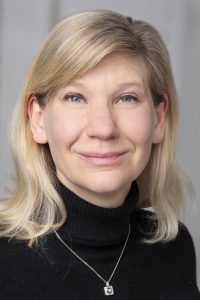
Bettina Miethe, Apothekerin
Administrative Assistant | Freichel Lab
Admin-AGFreichel@pharma.uni-heidelberg.de
2009 Approbation as a pharmacist
2011-2016 Business Unit Manager
2017-2022 Quality Assurance Specialist / Regulatory Affairs
2004-2008 Study of Pharmaceutical Sciences in Marburg
Research interests
Expert in science management and is independently responsible for communication with third-party funders, the development of sophisticated grant proposals, and project monitoring. In the area of IT, she drives digitization projects such as the development of new websites. As an advisor to the head of department, she designs new research units, takes care of financial and personnel planning, and coordinates international collaborations and public relations for research projects.
Hobbies:
Jogging, Yoga, Rock climbing, Indoor cycling, Hiking, Cooking, Backing, Nature
Other activities:
Volunteering with the Montessori e.V. in Heidelberg
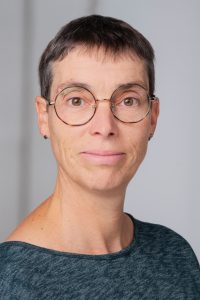
Dr. Angela Wirth
Dr. rer. nat. | Freichel Lab
angela.wirth@pharma.uni-heidelberg.de
Ph.D. 2002 University of Cologne (Advisor: Prof. Gabriele Pfitzer)
Diploma 1998 University of Cologne, Biology (Major: Biochemistry)
Research interests
My main research interest was the regulation of smooth muscle tone in the cardiovascular system. More specific the role of G-protein coupled receptors in the regulation of blood pressure and the development of hypertension. My expertise includes a broad variety of cardiovascular disease models and surgery techniques.
In the Freichel lab, I’m working as a scientific coordinator mainly responsible for managing all aspects of experimental animal research, e.g. animal approvals, guidance of new lab members, organisation of our experimental mouse unit. Furthermore, I’m coordinating many scientific collaborations in the context of animal research.
Publications (in the Freichel lab):
Tsvilovskyy et al., 2024, doi: 10.1172/JCI169428
Bröker-Lai et al., 2024, doi: 10.1038/s44318-024-00231-0
Maeder et al., 2023, doi: 10.3389/fimmu.2023.1252384
Gegner et al., 2022, doi: 10.3389/fchem.2022.869732
Gaul et al., 2022, doi: 10.3389/fcvm.2022.813215
Cortizo et al., 2021, doi: 10.1016/j.molmet.2021.101406
Sanlialp et al., 2020, doi: 10.1016/j.yjmcc.2020.03.004
Hobbies:
Reading, Hiking, Outdoor Sports
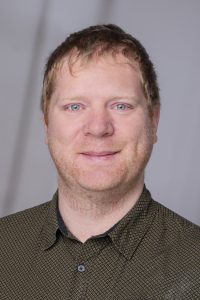
Dr. Koenraad Philippaert, PhD
Ph.D| Freichel Lab
koenraad.philippaert@pharma.uni-heidelberg.de
2019-2021 Postdoc University of Leuven, Belgium
2017-2019 Postdoc Alberta Diabetes Institute, University of Alberta, Edmonton, Canada
2016 PhD University of Leuven, Belgium
M.Sc. University of Leuven, Campus Kortrijk Belgium
Research interests
My research career focusses on the function of ion channels in the physiology of excitable cells. More specific the role of ion channels, such as TRP channels, in the function and signalling in cardiac myocytes and pancreatic beta cells. I am lead author on multiple high impact publication describing novel pharmacology for the treatment of noncommunicable diseases. My expertise includes the set-up of a high-throughput compound screening, the in vitro and in vivo analysis of the effects of novel drugs and how they affect healthy and pathophysiological diabetic mouse models and clinical trials.
In the Freichel lab, my scientific focus lies on the management and guidance of junior scientist through their research projects. Next to that, I focus on projects that aim to elucidate the role of calcium permeable channels in cardiac remodelling and fibrosis mainly using in vivo mouse models and calcium microfluorimetry.
I coordinate the Integrated Research and Training Group of the CRC1550, Molecular Circuits in Heart Disease, through which we give early career investigators an optimal framework to develop themselves into expert cardiac scientists through seminar series, journal clubs, mentorship programs and summer schools
Publications (in the Freichel lab):
– TRPC5 controls the adrenaline-mediated counter regulation of hypoglycemia
Bröker-Lai et al. 2024, The EMBO Journal
– The many facets of TMEM63/OCaR proteins as mechanosensitive channels in lysosomes, NAADP signaling and beyond
Freichel et al. 2024, Cell Calcium https://doi.org/10.1016/j.ceca.2024.102942
– OCaR1 endows exocytic vesicles with autoregulatory competence by preventing uncontrolled Ca2+ release, exocytosis, and pancreatic tissue damage.
Tsvilovskyy et al. 2024, Journal of Clinical investigation https://doi.org/10.1172/JCI169428
– Resolving the heteromeric composition and macromolecular environment of TRPC channels in the brain
Freichel et al. 2023, Cell Calcium https://10.0.3.248/j.ceca.2023.102714
– Characterization of Endo-Lysosomal Cation Channels Using Calcium Imaging
Wahl-Schott et al. 2023, Handb Exp Pharmacol. https://doi.org/10.1007/164_2023_637
Follow me on:
https://orcid.org/0000-0002-5861-2275
https://www.researchgate.net/profile/Koenraad-Philippaert
https://www.linkedin.com/in/koenraad-philippaert/
Christin Richter
Biology lab assistant| Freichel Lab
Christin.Richter@pharma.uni-heidelberg.de
2011 – at present Institute of Pharmacology in Heidelberg (Advisor: Prof. Marc Freichel)
2005 – 2011 Institute of Pharmacology in Homburg/Saar (Advisor: Prof. Marc Freichel)
Research interests
I am responsible, among other things, for culturing various cell lines, including human induced pluripotent stem (hiPS) cells, which are crucial for a range of biomedical research applications. Additionally, I oversee sample preparation for several sequencing protocols, ensuring high-quality samples for downstream analyses. Part of my responsibilities also includes performing RT-PCR (Reverse Transcription Polymerase Chain Reaction), a key technique for analyzing gene expression and verifying the presence of specific RNA transcripts in the samples.
Publications (in the Freichel lab):
Schütz et al., Cel Rep 2021
Segin et al., Cells 2020
Camacho Londono et al., Cells 2020
Tsvilovskyy et al., Front Immunol. 2020
Hobbies:
Gardening, sewing
Beate Hilbert
Biology lab assistant| Freichel Lab
Beate.Hilbert@pharma.uni-heidelberg.de
1987- 1990 Training as a biology laboratory technician
Research interests
My work primarily involves:
Genome-/Base Editing / CRISPR Cas9: I am experienced in performing genome and base editing using the CRISPR Cas9 system. This involves precise modifications of genetic material, allowing for targeted gene editing in various biological models.
Primary Cell Culture: Cardiomyocyte- and Fibroblast Isolation: I am skilled in the isolation and cultivation of primary cells, particularly cardiomyocytes and fibroblasts, which are critical for cardiovascular research and tissue regeneration studies.
Any Analytical Work (e.g., Cloning): My responsibilities include conducting various analytical tasks such as molecular cloning, which involves the manipulation of DNA to study gene function and expression.
Organization/Implementation of Genotyping in AG Freichel: I manage and implement the genotyping processes within the AG Freichel lab, ensuring accurate genetic identification for ongoing research projects.
Organization/Administration of Orders for AG Freichel: I also handle the organization and administration of orders for AG Freichel, coordinating laboratory supplies and ensuring the smooth functioning of research activities.
Hobbies:
Reading, Cooking, culture and history of my home country,
“Zertifizierte Kultur- und Weinbotschafterin der Pfalz“
Sarah Lerch
—| Freichel Lab
sarah.lerch@pharma.uni-heidelberg.de
2023 – at the moment- Institute of Pharmacology in the group of Prof. Dr. Marc Freichel
2018-2023 Parental leave
2011-2018 DKFZ Heidelberg in the group of Dr. Alexandros Vegiopoulos
Research interests
My primary responsibilities revolve around the isolation and preparation of various types of primary cells for experimental research. This includes working with thrombocytes (platelets), which are essential for studying blood clotting and other hematological functions, as well as cardiomyocytes, the muscle cells of the heart, which play a crucial role in cardiovascular research. In addition to these, I also work with mast cells, which are key components of the immune system and are often studied in the context of allergic responses and inflammatory processes. The isolation of these cells requires precise techniques to ensure their viability and functionality, which is critical for downstream experimental procedures. My work is fundamental to providing high-quality, viable cells for a wide range of research applications, helping to advance our understanding of various physiological and pathological mechanisms. I collaborate closely with other researchers to optimize cell isolation protocols and improve experimental outcomes
Hobbies:
playing the clarinet
Manuela Ritzal
Biology lab assistant| Freichel Lab
manuela.ritzal@pharma.uni-heidelberg.de
1985 – Completed examination for a Laboratory Technician in Biology and has been employed at the Pharmacological Institute since then
Research interests
Experience in conducting in-vivo experimental methods with animals, including the preparation and analysis of histological tissue sections, as well as various staining techniques to assess cellular structures and tissue morphology
Publications (in the Freichel lab):
Provided technical assistance on several research papers, including the publication titled ‘Source of Kidney Determines Blood Pressure in Young Renal Transplanted Rats,’ authored by Daniel Kopf, Rüdiger Waldherr, and Rainer Rettig, published in 1993 by the American Physiological Society.
Hobbies:
Hiking, reading, gardening
Other activities:
Voluntary work at our gymnastics and sports club
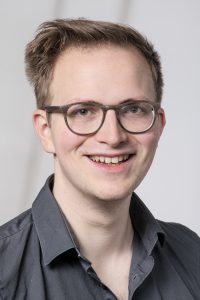
Dr. Roger Ottenheijm
Project lead | Ca2+ signalling in cardiovascular system
Roger.Ottenheijm@pharma.uni-heidelberg.de
Ph.D. 2023 Heidelberg University (Advisor: Prof. Marc Freichel)
‘M.Sc. 2018 RadboudUMC Nijmegen (Netherlands), Biomedical Sciences
Research interests
I am particularly interested in Ca2+-induced pathological changes to elucidate novel mechanisms of arrhythmias, chronic pancreatitis and the development of arterial thrombosis. To this end, I perform experimental approaches in various primary cell types involved in these processes such as platelets, acinar cells, and cardiomyocytes. This includes:
- Live cell imaging of intracellular Ca2+ signalling
- In Vitro analysis of platelet aggregation and secretion
- Determination of subcellular localization of proteins
- In Vivo models for arrhythmias and thrombosis
A major focus of my work is to determine perturbations in primary haemostasis by experiments with platelet aggregation and to extend these results to in vivo models of thrombosis development.
Publications (in the Freichel lab):
Tsvilovskyy*, Ottenheijm* et al. 2024, https://doi.org/10.1172/JCI169428
Wahl-Schott et al. 2023, https://doi.org/10.1007/164_2023_637
Yang*, Ottenheijm* et al. 2022, https://doi.org/10.3390/cells11203225
Schütz et al. 2021, https://doi.org/10.1016/j.celrep.2021.109851
Freichel, Ottenheijm. 2020, https://doi.org/10.1016/j.ceca.2020.102279
Hobbies:
Cycling, tennis, playing guitar
Other activities:
Early career investigator (ECI) representative of the collaborative research centre (CRC1550): Molecular Circuits of Heart Disease
Follow on LinkedIn:
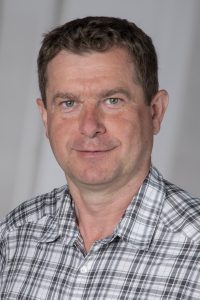
Dr. Volodymyr Tsvilovskyy
Dr. rer. nat.| Freichel Lab
volodymyr.tsvilovskyy@pharma.uni-heidelberg.de
2002 Ph.D. Biophysics Kyiv Bogomoletz Institute of Physiology NASU (Advisor: Akad. Prof. Myhailo Shuba, Committee Head: Akad. Prof. Platon Kostyuk)
1998 M.Sc. Biophysics Kyiv Taras Schevchenko University, Biological Faculty, Department of Biophysics
Research interests
As a biophysicist, I study the physiological and pathophysiological role of transmembrane ion channels (K+, Ca2+, TRP, OCaR, Orai) in numerous types of excitable and non-excitable tissues: smooth muscle cells, neurons, chromaffin cells, epithelium cells of reproductive tract, sperm cells, exocrine pancreas cells, different subtypes of mast cells. My research is dedicated to discover, how physiological signals from plasma membrane are conducted to cytoplasm effector proteins and to the nucleus. To this end I study dynamic of intracellular second messenger signalling molecules: Ca2+, cAMP, NAADP with fluorescent dyes. To the methods I use belong: Patch-Clamp, Wide-Field and high-resolution Fluorescent Imaging with small-molecule and genetically encoded fluorescent sensors. I use my combined expertise in fluorescent imaging and genome editing to create Imaging Setups and knock-in genetic mouse models which allow me precise study of local events triggered by intracellular messengers. One of my last focus is the regulation of gene expression by local Ca2+ influx in mast cells.
Publications (in the Freichel lab):
https://scholar.google.de/citations?hl=de&user=TcLb4jkAAAAJ
Hobbies:
Fishing, SUP, autonomous hiking, cycling
Other activities:
Radiation security officer of Heidelberg University. Senior lieutenant of radiation, biological, chemical security service of combined arms units.
Follow me on:
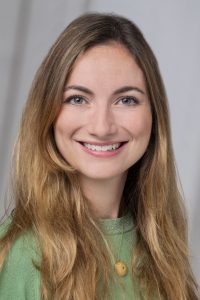
Dr. Lisa Gölz
Ph.D| Freichel Lab
lisa.goelz@pharma.uni-heidelberg.de
2023 Post-Doc Heidelberg University, COS (Centre of Organismal Studies); Toxicology + 3R
2023 Ph.D. Heidelberg University, COS (Centre of Organismal Studies); (Eco)Toxicology + 3R (s.c.l.; Advisor: Prof. Thomas Braunbeck)
Research interests
As a dedicated toxicologist, I specialize in uncovering the mechanisms of action of pharmaceuticals and adverse effects of substances. Focusing on the 3R principles (Reduce, Refine, Replace of animal experiments) and New Approach Methodologies (NAMs), I contributed to the development of advanced OECD test guidelines for endocrine disruptors and established Adverse Outcome Pathways (AOPs). I currently apply my expertise at the Pharmacological Institute where I lead efforts to develop innovative cell-based systems.
My research focuses on the development of human stem cell-derived 2D systems (e.g. beating cardiomyocytes) and 3D cardiac organoids, utilizing advanced genetic engineering techniques such as CRISPR/Cas HDR, base editing and prime editing to study disease models for therapeutic testing and to advance precision pharmacology.
Key competencies:
- Human stem cell-derived 2D and 3D organoid systems, fish models
- 3R principles and New Approach Methodologies in Toxicology
- Adverse Outcome Pathway Development
- Genetic Engineering
- All types of Histo(patho)logy and Advanced Imaging Methods
Publications :
Gölz et al. 2024, https://doi.org/10.1002/etc.5878 (Braunbeck lab)
Gölz et al. 2023, https://doi.org/10.1002/ieam.4828 (Braunbeck lab)
Gölz et al. 2022, https://doi.org/10.1002/etc.5452 (Braunbeck lab)
Hobbies:
Dancing, Hiking, Zoology & Marine Biology, anything related to freshwater and ocean environments
Other activities:
Teaching coordinator @PharmaInstitute; Mentor @HCE (Heidelberger Center for the Environment); Member @Sustainability Think Tank (STT) Uni HD; Ocean Ambassador @WorldOceanCouncil
Follow on LinkedIn:
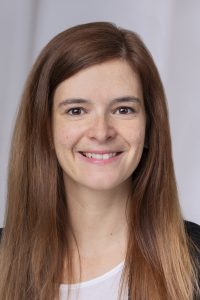
Dr. Kristin Rädecke
Project | Cardiac arrhythmias
Kristin.Raedecke@pharma.uni-heidelberg.de
2024 PhD Institute of Human Genetics Heidelberg, Rappold/Hoffmann group
2019 M.Sc Heidelberg University, Molecular Biosciences (Major Developmental and Stem Cell Biology)
Research interests
I am interested in the pathogenesis of cardiac arrhythmias across diverse genetic backgrounds and want to find out how genetic variants give rise to pathological mechanisms and ultimately lead to disease. My research focuses on utilizing iPSC-derived cardiomyocytes to explore (calcium-dependent) signaling pathways, disease-related alterations, and mechanisms that contribute to arrhythmogenic phenotypes. Additionally, I am keenly interested in genome editing techniques, particularly the development of CRISPR-based reporter systems.
Hobbies:
Dancing, travelling, singing
Follow on LinkedIn:
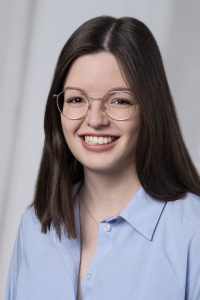
Michelle Malz
Ph.D. student| Freichel Lab
Michelle-Viktoria.Malz@pharma.uni-heidelberg.de
2022 – at ther moment – PhD Student AG Freichel
2022 License to practice as a pharmacist
2016- 2021 Johannes-Gutenberg Universität Mainz Pharmaceutical sciences
Research interests
I am interested in catecholamine driven ventricular arrhythmias. I thereby combine
Ca2+-Imaging as well as ECG telemetry and metabolome approaches to elucidate the role of OCaR2 in the heart. Furthermore, I am interested in cardiac remodeling, also under the aspect of calcium homeostasis and regulation. Here I am working, among others, with a PE-induced hypertrophy model in neonatal rat cardiomyocytes and AAV-mediated expression of inhibitors of nuclear calcium-calmodulin.
Hobbies:
Orchestra (Oboe), Yoga, baking
Other activities:
Night shifts in the pharmacy, member of the club board Ev. Posaunenchor Hofheim
Follow on LinkedIn:
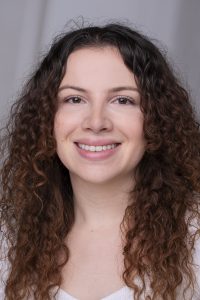
Merima Bukva
Ph.D. student| Calcium signalling in mast cells
merima.bukva@pharma.uni-heidelberg.de
2022- now PhD Student Heidelberg University, Institute of Pharmacology
2021 MPharm University of Sarajevo, Faculty of Pharmacy
Research interests
I am a PhD researcher with a focus on unravelling mast cell pathways. Mast cells play a critical role in immune responses, especially in allergic reactions and inflammatory conditions. By understanding how calcium signalling influences their function, my goal is to uncover new insights that could improve diagnostic methods for conditions such as allergies, asthma, and autoimmune disorders.
Follow on LinkedIn:
https://www.linkedin.com/in/merimabukva/
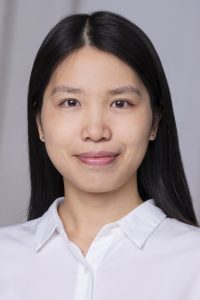
Qihua Liang
Ph.D. student| Multi-omics; Calcium signaling
Qihua.Liang@pharma.uni-heidelberg.de
2023 – at present Ph.D. Student Heidelberg University (Advisor: Prof. Marc Freichel)
2023 M.Sc. Saarland University, Center for Bioinformatics (Major: Bioinformatics)
Research interests
I focus on the interplay between calcium dynamics and immune cell function, utilizing omics analysis to develop high-resolution calcium profiles. My work aims to uncover the complex relationships between calcium flux, binding proteins, and effectors, ultimately identifying novel therapeutic targets for immune-related diseases.
Hobbies:
Hiking, basketball
Follow on LinkedIn:
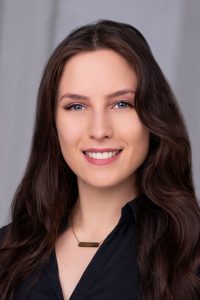
Vivien Throm
PhD Student| Freichel Lab
vivien.throm@pharma.uni-heidelberg.de
Ph.D. 2023-current Heidelberg University (Advisor: Prof. Marc Freichel)
M.Sc. 2023 Heidelberg University, Molecular Biosciences (Major: Molecular and Cellular Biology)
Research interests
I am a researcher in cardiovascular science and am deeply interested in understanding how platelets contribute to primary hemostasis and pathological conditions, such as thrombosis and myocardial infarction. My research primarily focuses on the OCaR2 protein, a key regulator of calcium release from acidic stores in platelets and thereby play a critical role on platelet activation and aggregation.
My main focus is on studying the OCaR2 protein and its role in:
- Platelet activation and aggregation by stimulation with various agonists.
- Measuring NAADP-mediated calcium signaling in platelets.
- Performing in vivo models for thrombosis.
To achieve these goals, I use advanced techniques such as platelet-specific OCaR2 knockout models to investigate how OCaR2 affects primary hemostasis and platelet aggregation. My work aims to uncover new insights into platelet regulation, which may inform strategies for managing thrombotic risks.
Follow on LinkedIn:
Sayari Bhunia
PhD Student| Genome engineering
sayari.bhunia@pharma.uni-heidelberg.de
M.Sc. 2022 Technische Universität Dresden, Molecular Bioengineering
B.Tech. 2020 Maulana Abul Kalam Azad University of Technology, Biotechnology
Research interests
I have always been interested in understanding the underlying molecular mechanism of different diseases for developing effecLve treatment strategies. As a researcher specializing in geneLc engineering, my research focuses on opLmising and uLlising advanced genome ediLng techniques such as Base EdiLng and Prime EdiLng for disease modelling in cells and mice. Also, I aim to employ these precision tools for correcLng geneLc mutaLons related to cardiac dysfuncLon in pre-clinical mouse models, with the ulLmate goal of facilitaLng novel therapeuLc strategies.
Hobbies:
Dancing, reading thriller novels, cooking
Follow on LinkedIn:
Tinatini Tavhelidse-Suck
Postdoc | Genome Engineering
tinatini.tavhelidse-suck@pharma.uni-heidelberg.de
Ph.D. 2019 Heidelberg University (Advisor: Prof. Joachim Wittbrodt)
M.Sc. 2013 Heidelberg University, Molecular Biosciences (Major: Developmental and Stem Cell Biology)
Research interests
As a developmental biologist and geneticist, I possess extensive expertise in elucidating the impact of genetic mutations on fundamental developmental processes. Building upon this foundation, I am now expanding my focus to address translational research questions with direct clinical relevance. Leveraging cutting-edge genome editing technologies—including CRISPR-Cas9, cytosine and adenine base editors, and prime editors—I am modeling cardiopathies in human-induced pluripotent stem cells (hiPSCs) and murine models. Investigating the consequences of these mutations will provide critical insights, serving as a pivotal step toward the development of targeted therapeutic interventions.
Publications (in the Freichel lab):
Medert et al., 2023, https://doi.org/10.1093/nar/gkac1150
Hobbies:
Basketball, Hiking, Yoga